


Visiting the Acropolis is less an afternoon excursion and more a pilgrimage, one that winds through the mythology, architecture, and memory of Western civilization. Empyreal Magazine spent a full day walking its ancient pathways with photographer Michael Pizzoli, moving through the shifting light, the weathered stones, and the sheer elevation that defines this monumental citadel high above Athens.
The ascent begins at the base of the Sacred Rock, where the city sound recedes and the limestone terraces rise like a jagged staircase cut by time. The climb reveals fragments of ancient walls, olive trees shaped by centuries of Athenian sun, and expanding views that remind you why this height was chosen as the symbolic heart of a civilization. Approaching the western entrance, the Propylaea presents itself as a monumental threshold, its Doric columns imposing yet graceful, worn by generations of pilgrims. Passing through it feels like crossing into another world, a place where the architecture serves not only as structure but as ceremony.
Just beyond, perched on a projecting bastion, the small Temple of Athena Nike stands with a quiet sense of command. Delicate in scale but powerful in position, it overlooks the city and the distant coastline. In the warm shift of golden hour its friezes seem to animate, and Michael Pizzoli captured the dance of light against marble that reveals both the artistry and the strategic reasoning behind its placement. From this vantage point the Acropolis opens up fully, revealing not a single hero monument but an ensemble of sacred spaces woven together by intention and myth.
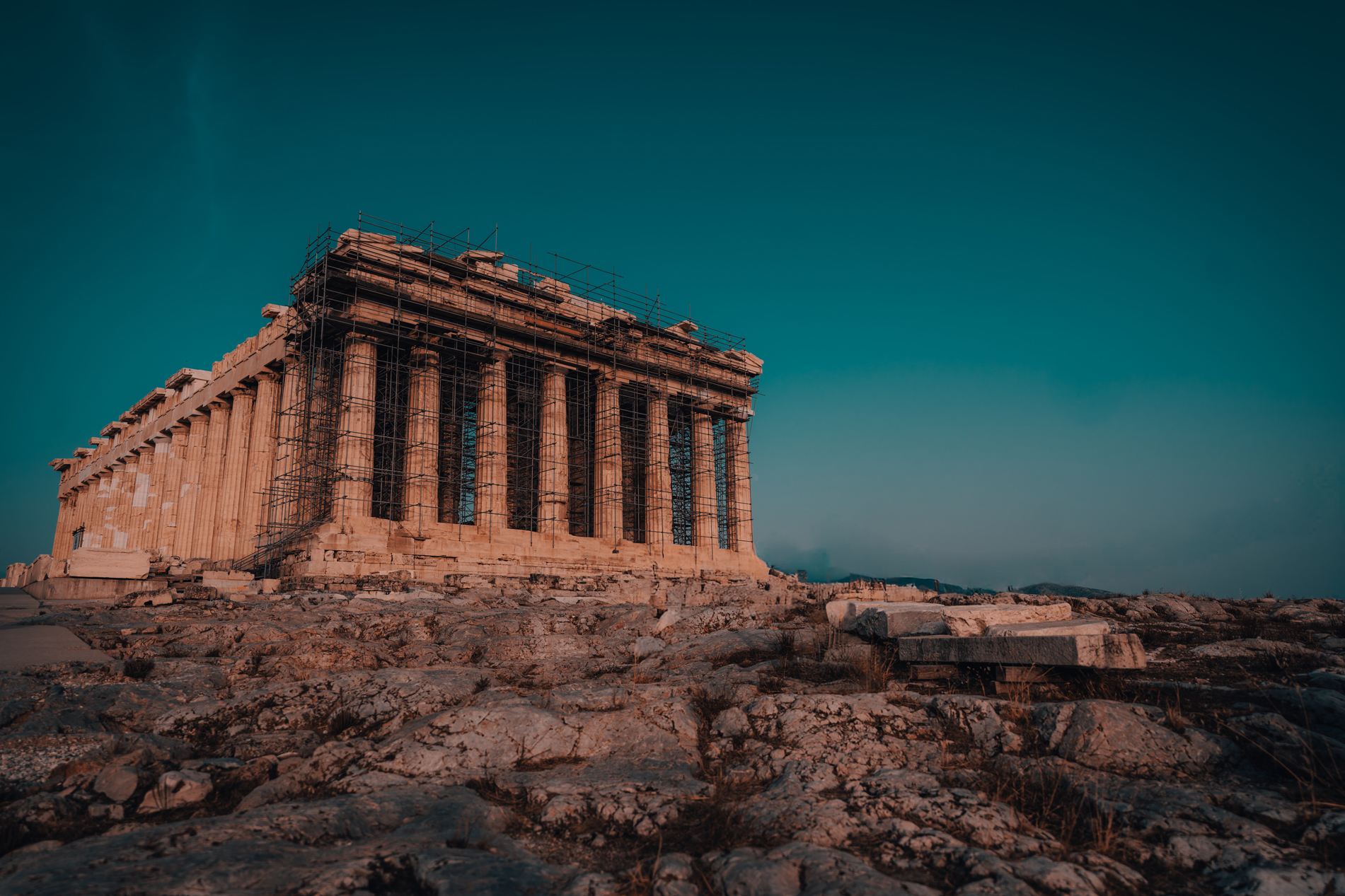
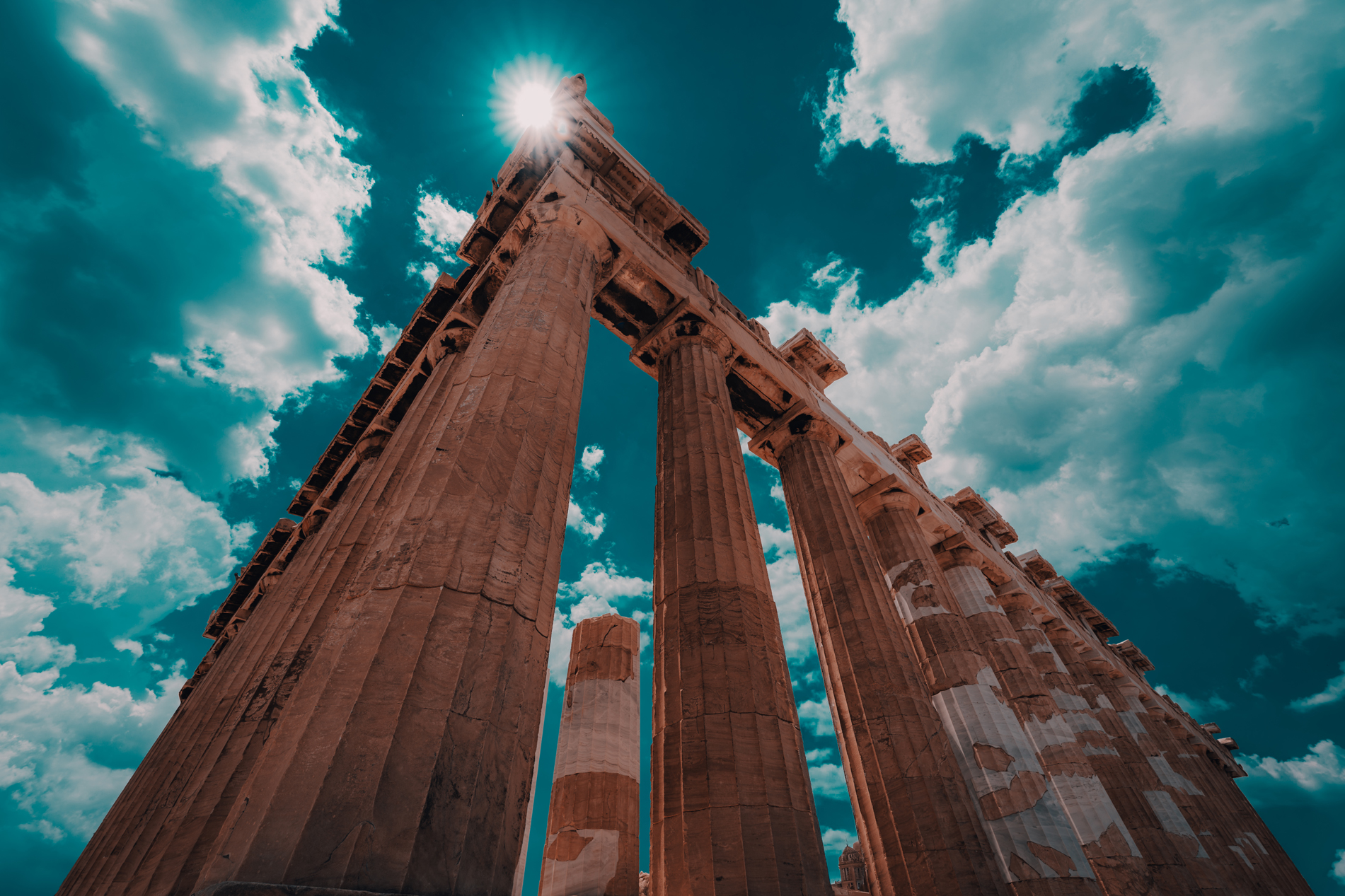
At the center, the Parthenon rises with an authority that no description truly prepares you for. Confronting it in person is overwhelming. Its scale is immense, its geometry impossibly precise. Every column, curve, and subtle visual correction was engineered for optical perfection long before modern tools existed. Even with restoration scaffolding in view, the Parthenon radiates confidence and harmony, a temple that defines classical architecture itself. Michael approached it from multiple angles, isolating columns against the sky, compressing perspective with long lenses to highlight rhythm and structure, and studying the surviving metopes that have endured wars, looting, and the weathering of thousands of years.
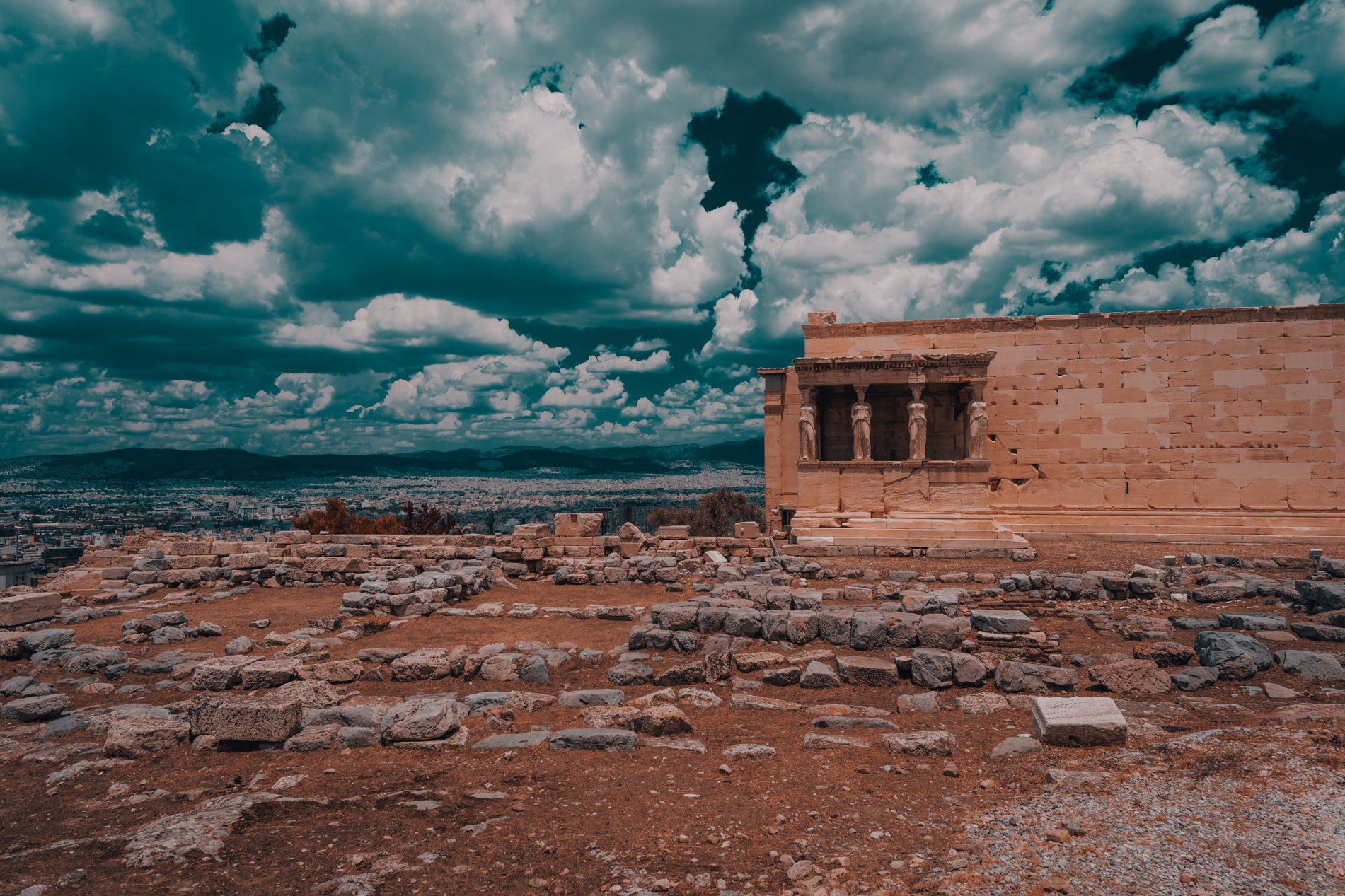
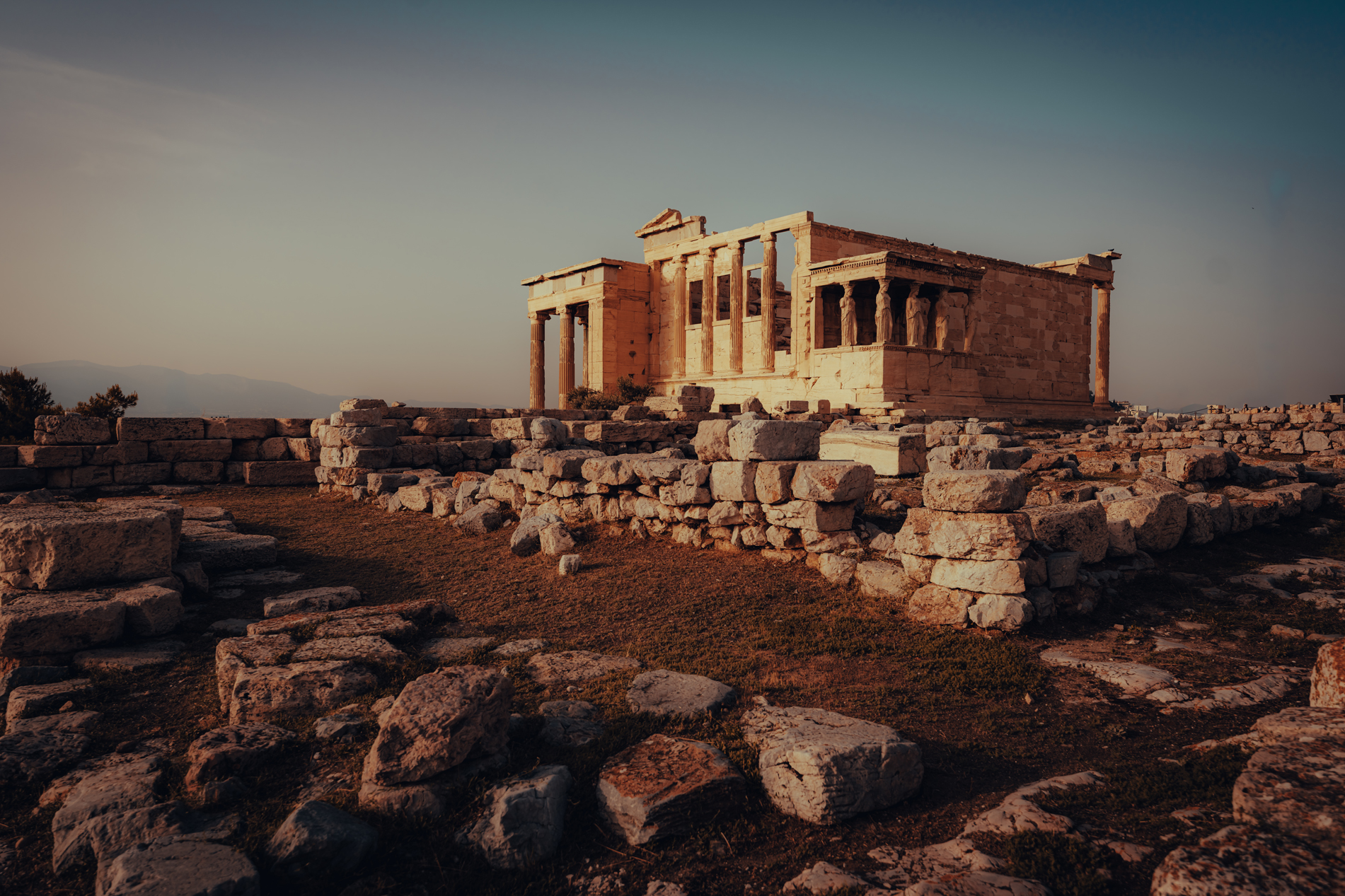
North of the Parthenon, the Erechtheion offers a contrasting energy. More intimate in scale and steeped in myth, it occupies the site of the legendary contest between Athena and Poseidon for the soul of the city. The celebrated Porch of the Caryatids stands here, each sculpted maiden balancing strength and elegance. Their postures are poised, their drapery carved with astonishing sensitivity, and the differences between them reveal distinct personalities that Michael captured in close detail. Nearby, the quieter remains of older temples sit beside the symbolic olive tree connected to Athena’s mythic gift, emphasizing the layers of history that coexist on this plateau.
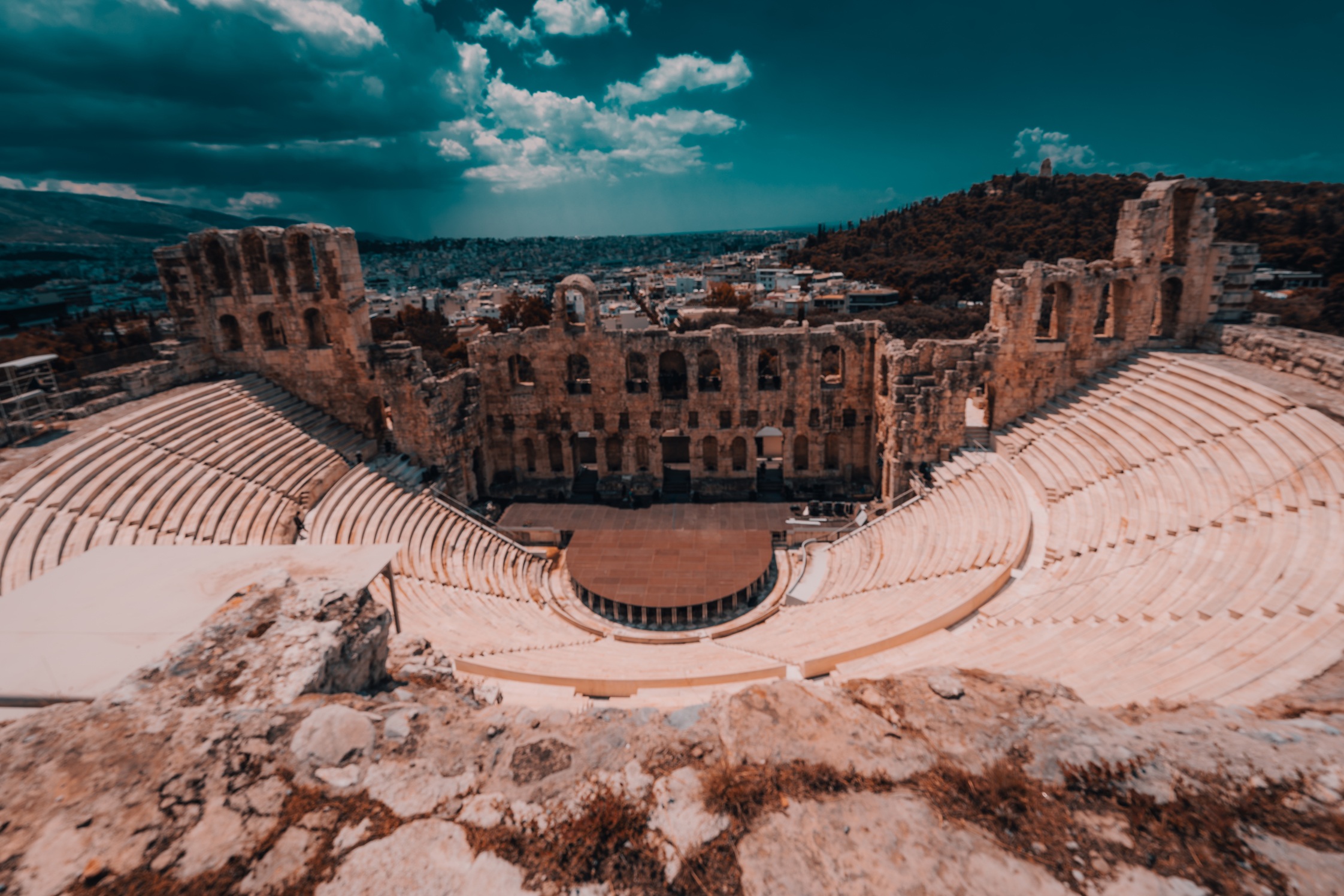
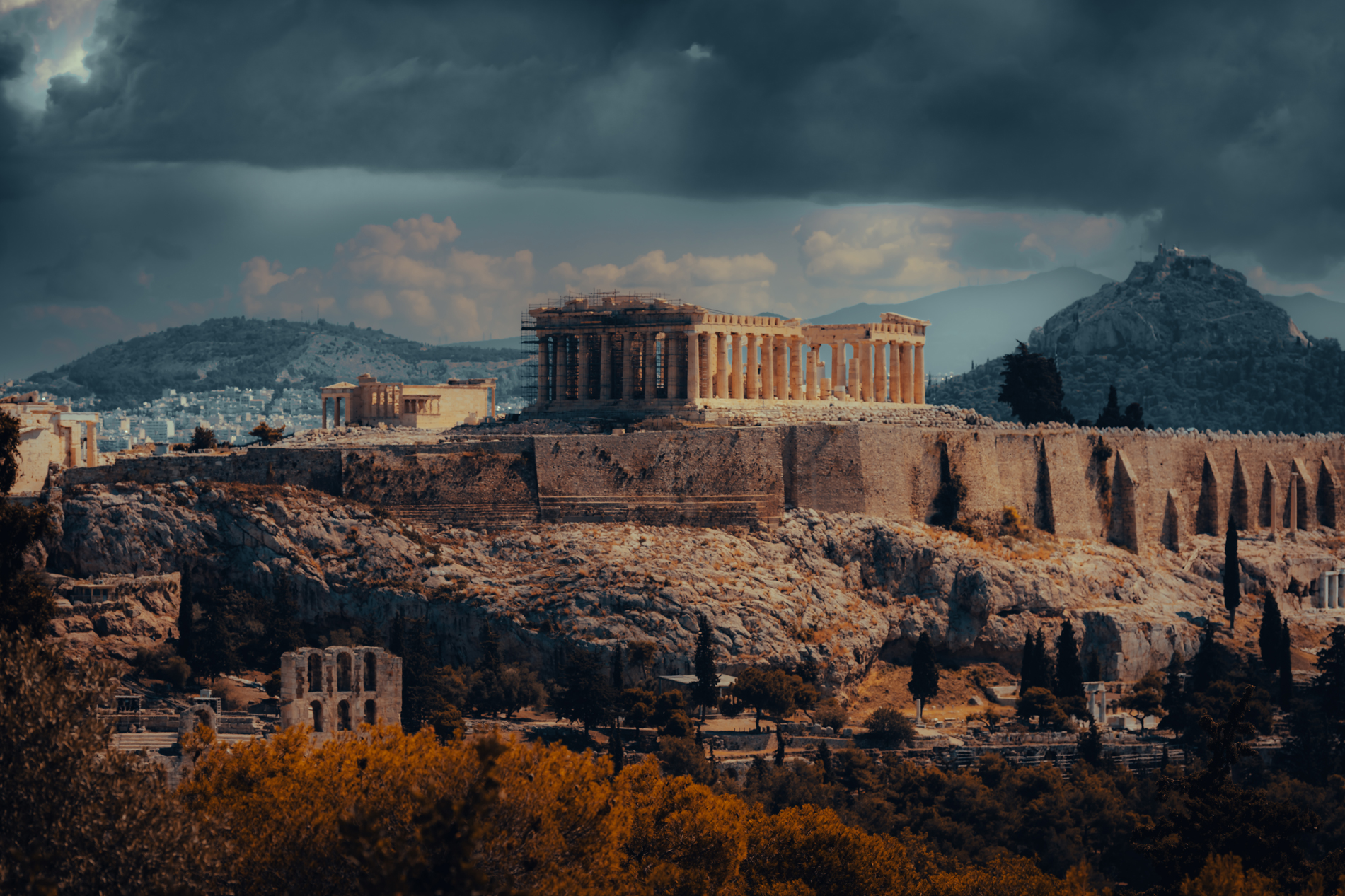
Descending the southern slope leads to the Theatre of Dionysus, the birthplace of dramatic art. Its stone seating once held crowds of thousands who watched the earliest works of Aeschylus, Sophocles, and Euripides come to life. Sitting there today, with the city spreading below and the hillside embracing the stage, it is easy to imagine the resonance of ancient voices carried by the natural acoustics that still outmatch many modern theaters. Continuing downward, the Odeon of Herodes Atticus rises with its tall stone facade and symmetrical arches, a Roman era performance space that remains active for concerts and festivals. When bathed in late afternoon light it becomes a living monument, a structure that continues to gather people long after its original patrons faded into history.
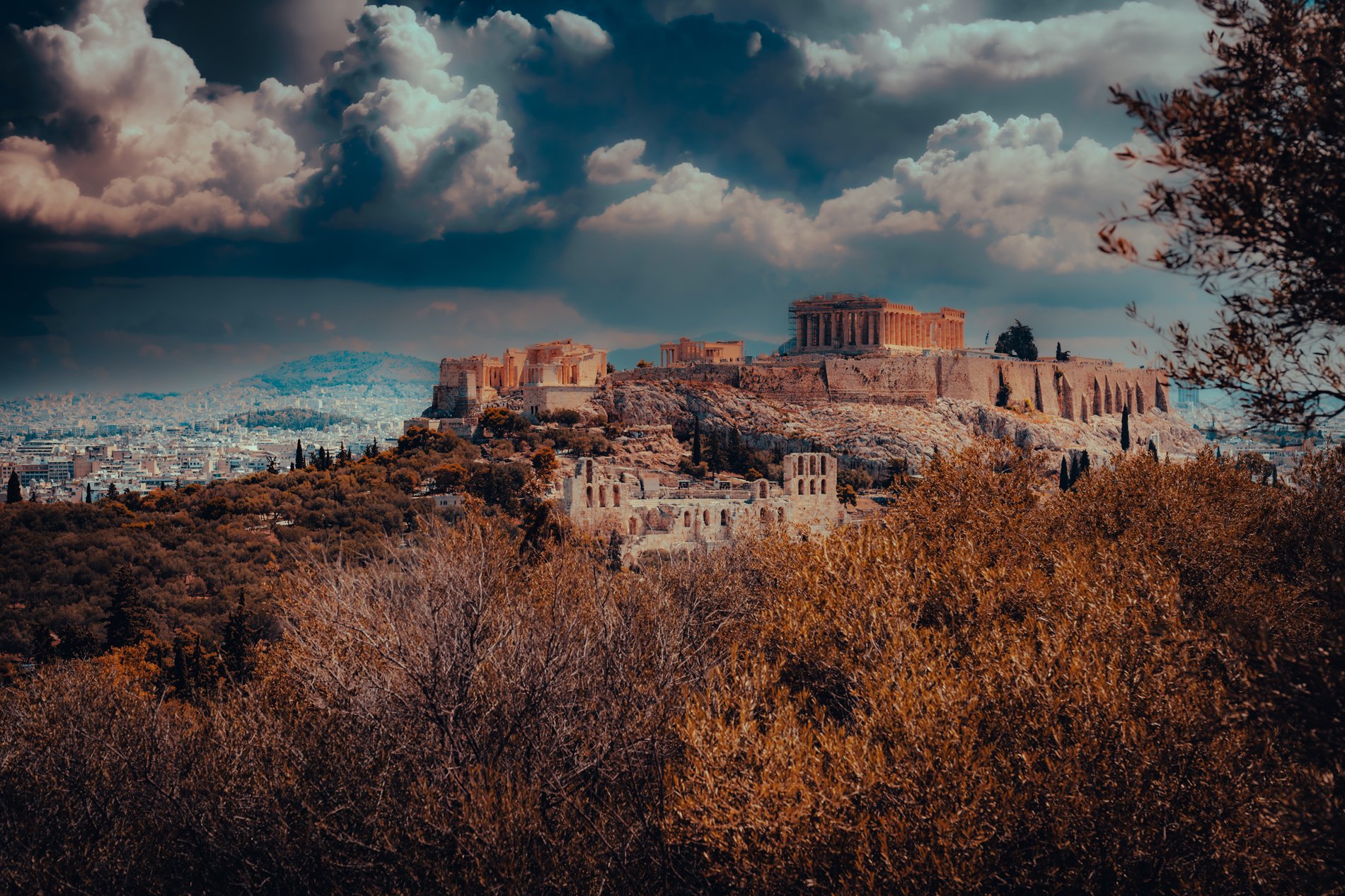
Throughout the Acropolis the views over Athens create a continual dialogue between past and present. From almost any angle the city stretches outward like a sea of white rooftops, narrow streets, and ageless hills, with Mount Lycabettus rising sharply in the distance and the faint shimmer of the Aegean beyond. The effect is both humbling and inspiring. The Acropolis was built to oversee Athens, but it never feels domineering. Instead it feels like a guardian presence, a sacred crown above a restless metropolis that has changed countless times while the citadel has remained constant.